Remember the last time something felt brand new?
It might have been a fall morning, the kind where the air has that crisp seriousness and a small thrill under your ribs. You walked into a room, or opened an email, or said yes to something uncertain—and suddenly the day had gravity. That feeling isn’t reserved for youth. If anything, it gets richer when you've carried a few more years of hard-earned lessons in your pockets.
From the other side of a boardroom
When I turned forty, I sat in a glass-walled conference room and watched a twenty-something lead a demo. I admired their energy, sure, but what I felt more strongly was how much I could offer that room: pattern recognition, a tolerance for ambiguity, the memory of deals that went sideways and how we fixed them. I’d spent years building a body of knowledge that doesn’t fit on a résumé—it lives in timing, in who to call, in what to simplify.
Starting a startup at forty-something isn’t about turning back the clock. It’s about using the clock you already have. You know the difference between an idea and a product. You’ve seen team dynamics, hiring mistakes, fundraising theater, and the quiet work of making a thing people want. That scaffolding is rare and useful.
A different kind of readiness
Think of readiness as a recipe with these ingredients:
- Memory: the failures that taught you what not to repeat.
- Network: not just names, but relationships that can open doors and offer brutally honest feedback.
- Time perspective: you care less about being flashy and more about crafting something durable.
- Fuel: family, savings, or simply the clarity that this matters more than comfort.
That list reads like an advantage. And yet, I meet so many people who hesitate—“Isn’t it too late?” “Will I fit in?” The truth is, the marketplace loves results, not age. Your clarity and capacity to move slowly and decisively are competitive edges.
One friend told me, "After thirty years of doing other people's risky bets, I'm finally choosing my own." She sold the company she co-founded and started a small product studio that solves problems she actually cares about. She sleeps better now. Her mornings feel like something waiting for her.
Let's break down what actually changes when you start now
- Risk looks different: You're not gambling for identity — you're investing in purpose. That changes the questions you ask and the timeframe you choose.
- Decision-making is quicker: You've seen enough patterns to trust instincts and cut through noise.
- Your pitch gets sharper: You can tell a crisp story because you know what matters and what doesn't.
Imagine spending your energy on a problem you keep circling in your thoughts. Imagine a morning when the thing you walk toward isn’t just another meeting, but a small stubborn project you built that week. That's what starting now gives you: intentional mornings, meaningful work, and the chance to make life feel like it matters again.
Practical starts that feel human
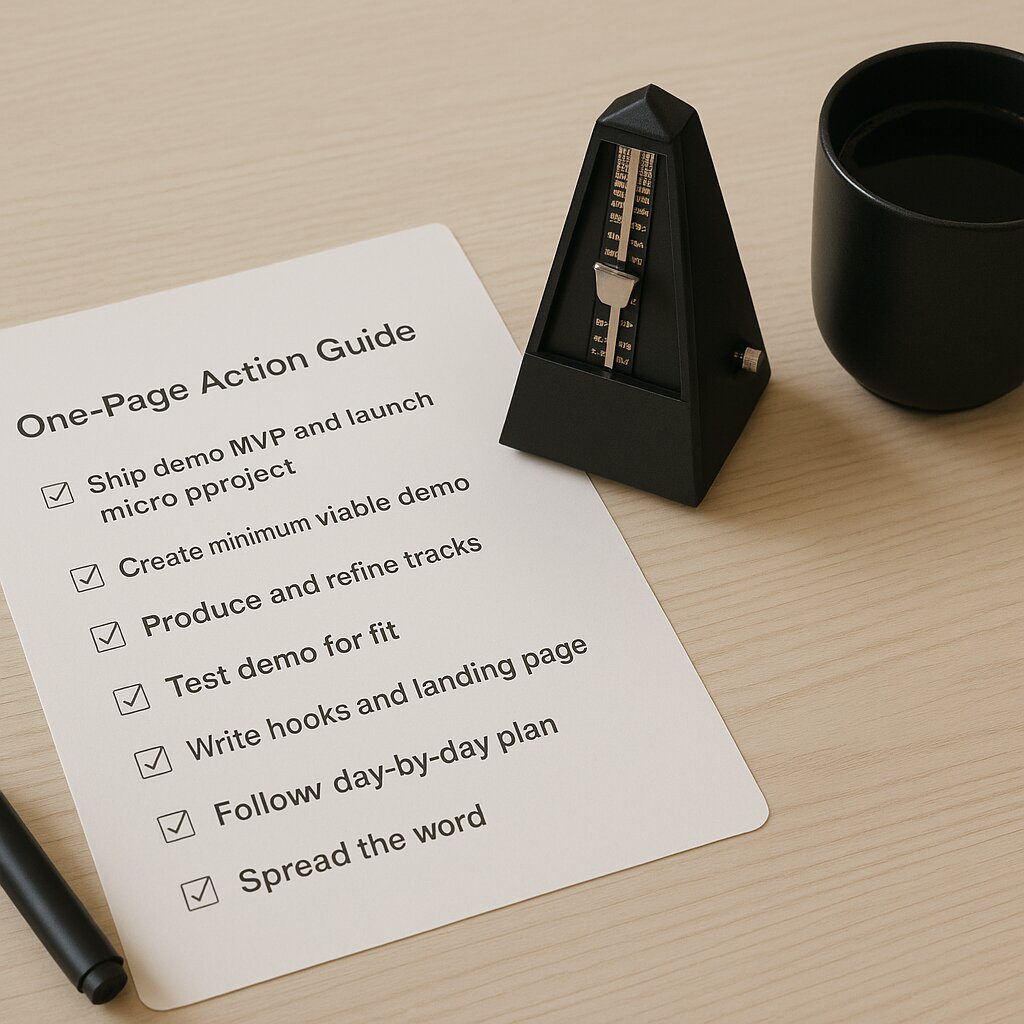
Starting doesn’t mean quitting everything overnight. Here are low-friction ways to move toward a startup without burning the bridge behind you:
- Begin with a weekday night or weekend prototype. Build the smallest version of the thing that could be useful.
- Talk to customers before you talk to investors. Listening is cheaper than building and more instructive than any pitch deck.
- Lean on advisors—people who know the parts you don’t love. Swap your busyness for clarity.
I know someone who started by teaching a workshop on a Saturday. That workshop turned into a subscription product three months later. The cost was time, not ego, and that made all the difference.
A note to the self who worries
If you’re telling yourself stories about energy or fitting in, let me offer a different one. You are not behind—you are assembled. You have experience that accelerates and cushions risk. You also likely have people who want to see you try: partners, children who need a role model for reinvention, colleagues who've always respected your steadiness.
Starting a startup now is less about proving anything to the world, and more about making mornings feel like invitations again. That’s not small. That’s life renewed.
One small invitation
If you’re curious, try this tonight: write down one problem you notice in your daily life that annoys you enough to think about it twice. Spend 30 minutes sketching a tiny solution—no code, no business plan, just a landing page mock or a text that explains the idea to a friend. Send it to one person who will be honest. See what happens.
Most big things start this way: low pressure, honest feedback, and a stubbornness to keep going when it matters. If you’ve got patience and a sense of purpose, you’re already further than most founders-in-the-making.
So wake up tomorrow and make your morning worth showing up for. You’ve been gathering the pieces for decades—now try assembling them into something that belongs to you.