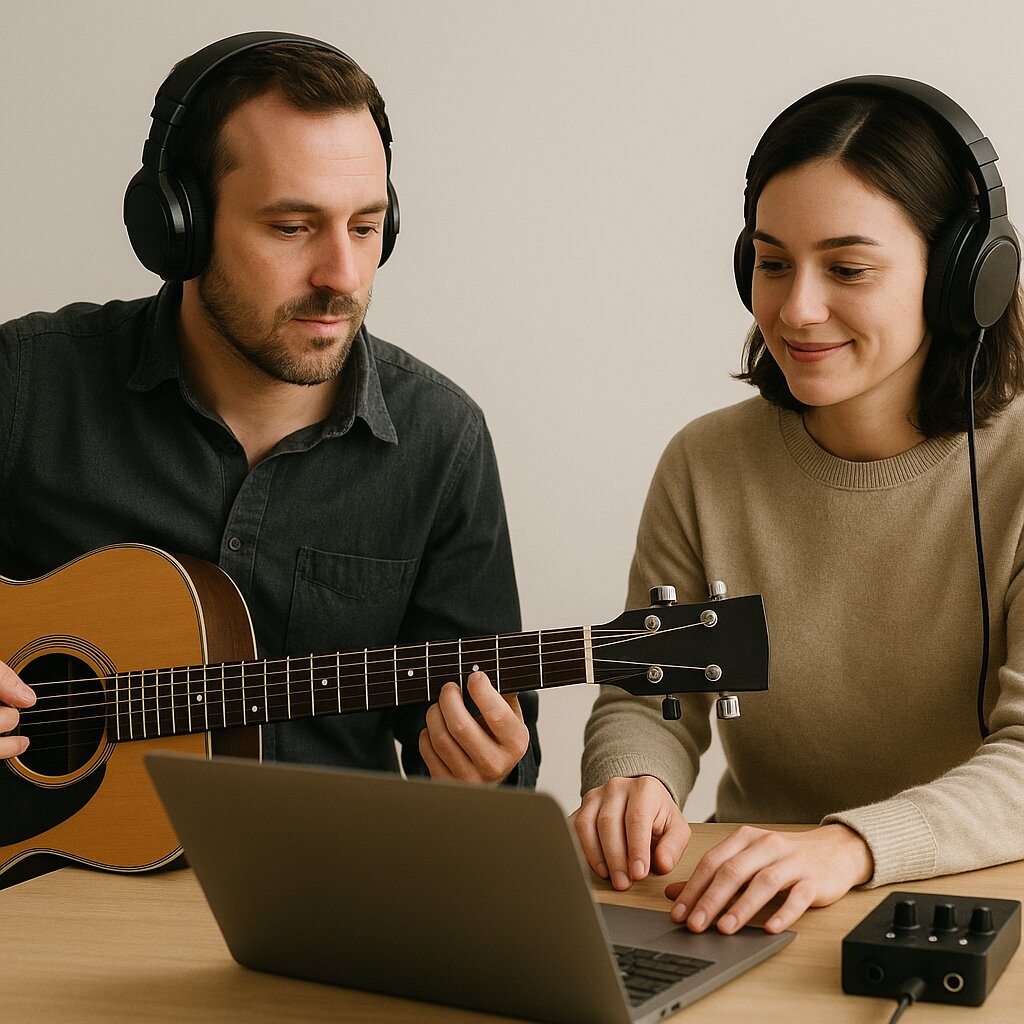
Why a tiny team is like a three-part harmony
When you have 2–3 people, you get something rare: intimacy. It’s like a vocal trio where every breath, every inflection matters. There’s no orchestra to hide behind, and that’s the beauty of it. Constraints sharpen taste; limited voices force intention.
In music, tight harmonies sound effortless because each singer knows their part, listens, and leaves space. The same is true for product work—lead the melody, add color with harmonies, lock in the rhythm. Tiny teams can move faster, iterate quieter, and ship with real feeling.
Three classic parts you can borrow from a vocal arrangement
- Lead (the melody) — the core idea or feature you want everyone to hum. One person often owns the product direction, customer conversations, or the main UX decisions.
- Harmony (the color) — complementary work that makes the lead feel richer: polish, analytics, onboarding, copy, small UX delights. This role can float depending on the feature.
- Rhythm / Glue (the pocket) — engineering, automation, ops, tests, and the routines that keep the song steady. This person keeps things reliable and repeatable.
Practical ways to blend
Here are concrete habits that make 2–3 people sound like a polished choir instead of three soloists singing over each other.
1. Pick the key and set the tempo
Before writing harmonies, decide the product key and tempo. That means aligning on the single most important outcome for the next 1–2 weeks and what pace you expect. With the key agreed, choices become simpler: does this add to the melody or muddy it?
2. Define parts, not silos
Assign roles loosely—lead, harmony, rhythm—but let people swap parts by session. Roles explain expectations, not limit creativity. In a recording studio you might ask the lead to try a harmony line; in a tiny team, rotating tasks keeps ears fresh.
3. Duet sessions and quick rehearsals
Ship small features like a demo night. Pair up for 30–60 minute duet sessions: one person writes copy while the other adjusts UI; one implements a small backend change while the other tests the journey. These micro-rehearsals build empathy and reduce handoff friction.
4. Leave space for rests
Great music uses silence. Tiny teams need breathing room too. Build pauses between sprints for review and regrouping. Avoid the temptation to fill every minute—rest reveals where harmonies are out of tune.
5. Listening beats talking
Hold short async demos rather than long meetings. Share a short screen recording or a quick user story. Listening to what shipped and how users reacted is like listening back to a rehearsal tape—you’ll hear tiny dissonances that matter.
Ship with a minimalist studio: Jaopaya Framework (Tech = $0)
Think of Jaopaya Framework as the tiny studio that sits in the corner, quietly providing cables, a mic stand, and a simple mixing board. It removes the friction of infrastructure so your three voices are free to focus on arrangement and performance.
Jaopaya Framework (Tech = $0) lets small teams prototype and ship without chasing infrastructure overhead. It’s the silent studio that helps your ideas sound finished.
If your band doesn’t have to wrangle servers, auth, or deploy pipelines for every tiny riff, you can iterate more like songwriters: quick sketches, fast demos, and audience feedback guiding the next take.
Tools and rituals that feel musical
- Weekly set list: a 15-minute run-through of what’s shipping this week.
- Demo nights: short recordings or screen captures for feedback.
- Songbook: a shared doc with design decisions, UX notes, and onboarding snippets (call it the songbook).
- Duet blocks: calendar times for pairing—uninterrupted, creative focus.
When to call a harmonies meeting
Not every small discord needs a meeting. Bring people together when you notice repeated small bugs, onboarding drop-offs, or when a feature feels tonally wrong. A 20-minute harmonies meeting—listening through user feedback and rough prototypes—can realign the group faster than long debates.
Final metaphor: mixing the track
After the first take, you’ll do a rough mix: tighten copy, trim flows, fix latency, and make the UI sing. In tiny teams this mix is iterative and communal. Someone nudges a leveling fader (simplifies a flow), another adds reverb (microcopy that comforts), and the rhythm player tightens timing (faster load, clearer error states).
Mini-lesson / Checklist
Small teams win by listening, aligning, and leaning on smart scaffolding. Here’s a short checklist to run before each sprint—your pre-show ritual:
- Set the key: agree the single outcome for the next 1–2 weeks.
- Assign parts: who leads, who harmonizes, who keeps the rhythm.
- Book a duet block: schedule at least one pairing session this week.
- Record a short demo at the end of the week and share it with notes.
- Let Jaopaya Framework handle the tech basics so you can focus on the song.
Tiny teams aren’t small by deficit—they’re dense with possibility. When two or three people learn to listen like musicians, they create a soundscape that feels deliberate, surprising, and human. Make the music, then ship the single.