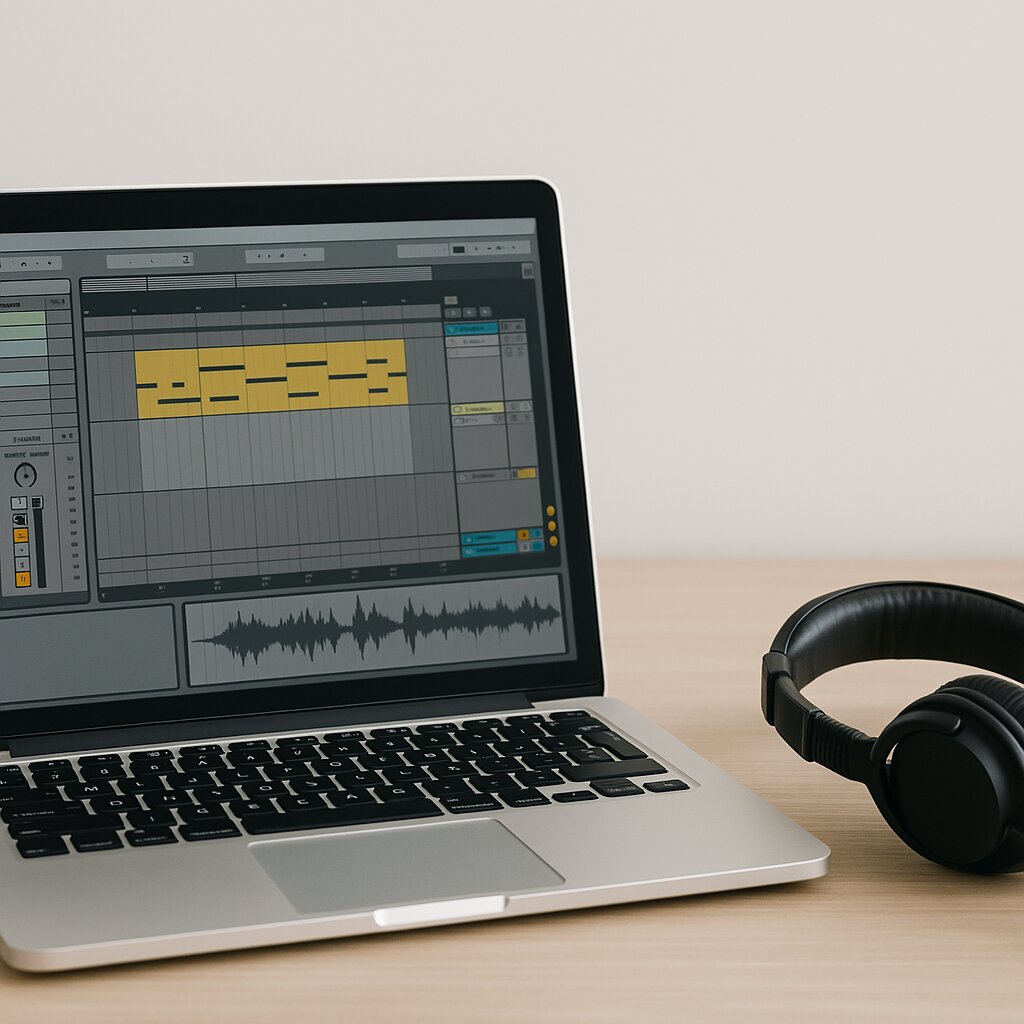
Intro: Treat Your Startup Like Making a Track
Think of your startup as a music production. Every stage is a track: an idea is the melody, the demo is the hook, the sprint is the metronome, and your brand one-pager is the mixdown. This article is a playlist for beginners that gets you out of the chair with a practical plan to ship a demo MVP within a day and run repeatable two-week sprint cycles that measure Product Market Fit (PMF).
Playlist Overview: The Tracks
- Opening Demo Track: deliver the playable/demoable MVP today
- Key Track: metrics to check PMF and early signals
- Hook Track: craft a short, sellable hook that opens attention
- Metronome Sprint Track: two-week sprint format with measurable outcomes
- Mixdown Brand Track: one-page brand with tone, color, voice
- Feat and Promo Track: outreach template and tour plan with partner features
- Revenue Track: simple licensing and revenue models to test
- Backstage & AI Track: tasks to give AI vs tasks to keep for human taste
Track A: Opening Demo Track — Ship an MVP Demo in One Day
Goal: 8 hours to a shareable demo that communicates core value. Keep scope tiny: one main flow, one key metric, one CTA.
- Hour 0-1: Set the hook and target user. Write one sentence: who, what, why. Example: First-time managers can generate a 30-second onboarding plan in under 60 seconds.
- Hour 1-2: Define the demo path. Pick the single user journey you will record or deploy live. List exact screens or steps to show.
- Hour 2-4: Build the demo skeleton. Use no-code or a clickable prototype. Connect minimal backend or mocked responses.
- Hour 4-6: Add the hook and CTA. Craft headline, subhead, and one-button action (try demo, request invite).
- Hour 6-7: Record a 30-60 second walkthrough video or prepare a live demo script.
- Hour 7-8: Share with 5 close testers, capture feedback, and push a tiny iterate if needed.
Deliverables for the Opening Demo Track
- One sentence value prop
- Clickable demo or 30s video
- Landing with hook and CTA
- Feedback from at least 5 testers
Track B: Key Track — Metrics and PMF Scales
Use musical terms as quick checks: hum the hook, measure the beat. Convert qualitative signals into short metrics.
- Hook Hum Rate: percentage of testers who can repeat the value sentence back in 10 seconds
- Engagement Beat: percent of visitors who click the CTA
- Retention Echo: percent returning after 24h or interacting twice in one week
- Willingness-to-Pay Spark: number of people who say they would pay or pre-order
Quick PMF check: if Hook Hum Rate > 40% and Engagement Beat > 10%, you have an early signal worth doubling down on.
Track C: Hook Track — Create a Sellable Hook
A hook is a lyric. Keep it short, repeatable, and benefit-led. Examples you can copy and test immediately:
- Hook example 1: Create a 30-second onboarding plan in under a minute
- Hook example 2: Turn meeting notes into a one-action to-do list, instantly
- Hook example 3: Preview your homepage as it would look on day one, no code
Hook length guide: 6 to 12 words, or a 4 to 8 second spoken line. Practice the hum test: if someone can hum that idea in 5 seconds, it sticks.
Track D: Metronome Sprint Track — Two-Week Rhythm
Run two-week sprints with a simple metronome to measure and iterate.
- Week 0: Plan — choose one hypothesis, one metric, two milestones
- Week 1: Build — follow the demo-first approach, ship micro-experiments
- Week 2: Measure & Learn — collect metrics, run 5 user interviews, decide next sprint
Repeat cycles: two-week sprint = one metronome beat. Track just three metrics: hook hum rate, engagement beat, conversion to next action.
Sprint Day Table (simple)
- Day 1: Kickoff and tasks
- Day 3: Mid-sprint check — demo internal
- Day 7: Cut scope if needed
- Day 10: User testing round
- Day 14: Review and decide
Track E: Mixdown Brand One-Pager
One page, not a brand bible. Mixdown equals clarity under compression.
- Concept: one-sentence brand idea
- Tone: choose one of three words (friendly, bold, clinical)
- Color: pick two colors only, primary and accent
- Voice: short, active, first-line benefit
- Key assets: logo, hero headline, single screenshot
Example one-line brand: Friendly planner for busy team leads. Tone: friendly. Color: teal + warm gray. Voice: clear, action-first.
Track F: Feat and Promo — Outreach Template for Featuring Partners
Use a concise outreach format for partner features or guest posts. Keep it human and short.
Subject: Quick collab idea — feature your tool in a 60s demo
Hi, I love what you do at PartnerCo. We can showcase how PartnerCo helps managers in a 60s demo and cross-share to our early list of testers. Simple ask: 15 minutes to record a short use case together. We handle editing and provide the final asset for both channels. Interested?
Also prepare a one-page press/feat kit with the demo link, short blurb, and 3 suggested posts partners can copy and paste.
Track G: Revenue and Licensing Quick Models
Test simple ways to capture value early:
- Pre-order: fixed price for early access
- Per-user license: small monthly fee per seat with a free trial
- Affiliate split: partner refer and earn a percent
Run a single pricing experiment in one sprint. Measure conversion from demo to paid offer as a core metric.
Track H: Backstage & AI — What to Give AI vs What to Keep Human
Use AI for high-volume, structured work. Keep human taste for brand, voice, and core product decisions.
- Give AI: rapid copy variants, social caption ideas, first-pass landing layouts, code scaffolding, A/B text options
- Keep human: final headline, hook nuance, UX decisions, music of the brand voice, key product trade-offs
Example task split: ask AI for 12 headline options, you pick 1 and tweak. Ask AI to draft outreach emails, you personalize 2 lines.
Templates and Examples You Can Use Now
Landing Hook Headline Examples
- Create your first onboarding plan in under a minute
- Get a working homepage preview without code
- Turn meeting notes into next actions in 30 seconds
30-Second Landing Speech (voiceover script)
We help busy team leads turn chaos into a clear plan. In one click you get a three-step onboarding that your new hire can follow today. Try the demo and see your first plan in under 60 seconds.
Contact Script for Demo Outreach
Hi NAME, quick note — I built a 60s demo that shows how [what your product does] and thought it would be useful for your audience. Could I send a short clip and suggested post copy? No cost, no strings. Thanks, YOUR NAME
Checklist: What to Ship This Sprint
- One-sentence value prop
- Clickable demo or 30s demo video
- Landing page with hook and CTA
- 5 user tests and recorded feedback
- One-page brand mixdown
- Partner outreach template prepared
- Simple pricing experiment set up
- AI task list vs human task list
Hard Rules and Prohibitions
Do not wait for perfection. Do not over-design the brand beyond the one-page mixdown. Do not add features without testing the hook and metric first.
Final Notes: Set the Beat, Ship the Hook
Music is about tension and release. Your demo is the release. Ship a minimal demo, test the hum, measure the beat, then repeat with two-week sprints. Use the templates above to speed the process and let AI handle volume while you protect the taste.
Soft CTA
Choose your next move: release your demo today with the one-day plan, or book a guided two-week sprint to scale the idea. Which track will you play?