You already have what it takes
On a Tuesday morning, you wake up and the to-do list from the last 20 years is still there, but the energy for it is gone. You know how to show up. You know how to get things done. Somewhere between the meetings and the parent-teacher conferences and the quiet late-night edits of a career well-maintained, a new question starts to whisper: what if I built something for myself?
The morning I found the map
Maria used to think startups belonged to people who slept on couches and ate cereal at 2 a.m. One rainy afternoon, she found herself sketching an idea on a napkin in a café between school pickups. She wasn't imagining unicorns; she was listing problems she had lived with, solutions she'd taught herself to use, and a small group of people who would actually pay for a better way. What changed wasn't a spike of youthful daring. It was a map she could read because of every job, every patience-tested conversation, every failure she had already survived.
That map is yours too. If you are 40 or older, your life has given you three rare gifts: experience, selectivity, and endurance. Experience means you know what works and what only looks good on paper. Selectivity means you can choose fewer battles and bet on the ones that matter. Endurance means you will keep going when the easy excitement has faded.
Why now isn't late, it's advantage
- Clarity: You can see patterns across decades of work and life that younger founders haven't yet noticed.
- Networks: You've met customers, vendors, and colleagues who can be your first allies.
- Resources: Even modest savings, a part-time consulting income, or a supportive partner can buy time to experiment.
- Resilience: You understand setbacks aren't the end of the story—they're data.
- Focus: You know what you won't do, which is as valuable as what you will.
Small experiments, big returns
Think of starting now as running elegant experiments, not declaring war on comfort. James, a product manager at 48, built a side tool to solve one tedious task at his company. He tested it with five colleagues, then three clients. He charged $20 a month. The tool paid for itself within two months and taught him more about customers than any boardroom discussion ever had. He didn’t quit his job overnight; he learned how to build a business with tiny, repeatable steps.
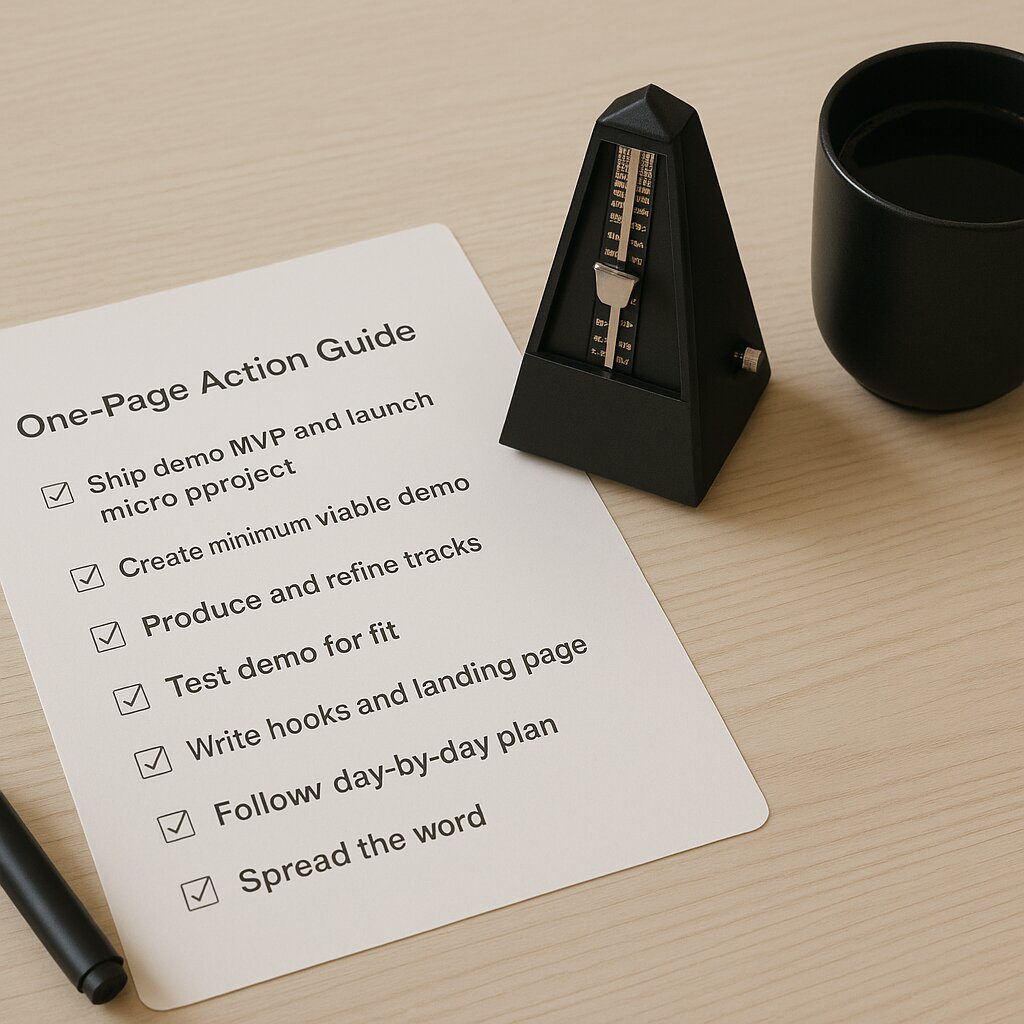
- Start small — Launch a simple version of the idea that solves one clear problem for a real person you know.
- Learn fast — Treat conversations and failures as customer research. Ask, refine, repeat.
- Protect your runway — Use part-time, contracting, or revenue-first approaches so you can iterate without panic.
- Use your network — Ask for introductions, early feedback, and that first stubborn group of buyers.
- Prioritize health and joy — This isn't about burning out; it’s about rediscovering mornings worth getting up for.
"Your years are not baggage—they're the toolkit. You don’t need to be the youngest in the room; you need to be the most curious."
Practical guardrails that keep you moving
There are ways to reduce risk while preserving momentum. Form a small partnership with someone who complements your skills. Pilot to real customers before hiring. Use subscription pilots or pre-sales to validate demand. Keep one eye on cash flow and the other on joy—if it stops feeling meaningful, you can course-correct without losing everything.
And if you worry about courage: remember how many times you restarted before. You moved cities, switched teams, raised kids, navigated hardship. Each restart taught you how to be steady. That steadiness is the quiet engine of a sustainable startup.
What mornings could feel like
Imagine a month from now waking up with one small thing to test—an email to send, a prototype to show, a call to a customer you already know. The work won't be effortless, but it will belong to you in a different way. You’ll still carry obligations, but you'll be building something that answers the question, why does this matter? That answer will make routine mornings feel charged again.
You don't need to know every step. You only need to start one. Write the first sentence of your idea, send the first message to a potential customer, book the hour to prototype. Invite a friend for coffee and tell them what you'd make if you had to start now. The rest follows—slowly, surely, and in a way only someone with your life behind them can do well.
Ready? Let's do this like friends: one small test, one honest conversation, one meaningful morning at a time.